In this type of timeshare, the owner's lease expires after a defined time after which property ownership rights expire. A right-to-use timeshare may include the following choices: A set timeshare stands just for a certain week, or days, check here of the year. The remainder of the year, other timeshare owners use the same property in the same way. A drifting timeshare is valid for a repaired periodsuch as one or two weeksbut without specific dates set in advance. For instance, an owner eligible to remain for a week in the summer can pick the week of the vacation during that season.
The rotation of holiday stays can go either in reverse or forwards in the season or calendar. This rotation offer all owners an equivalent opportunity to stay throughout various times of the year. For instance, an owner might remain in June one year, and in December the next. Potential purchasers must keep the accessibility of systems in mind when checking out this option. An owner of a lockoff or a lockout occupies a part of the home and uses the staying area for rental or exchange. These homes typically have 2 to 3 bed rooms and baths. A points-based program lets owners trade units, for a set time, with another owner who has a system of equal size at a resort owned by the same business.
Some point-based timeshares might allow owners to conserve their points for approximately two years. In many cases, they can then use these indicate either buy into bigger units or get more time at a popular resort, depending upon availability. Many exchange companies charge a cost when units are traded. You may select to buy a timeshare outright or pay for it with time. Keep the following consider mind before you buy a timeshare: Do your research Learn if the residential or commercial property's a popular holiday area. Ask about accessibility throughout your vacation periods. Compare to costs of other timeshares close-by and find out what advantages they offer.
Ask about additional costs, such as financing charges, yearly charges and upkeep costs. Maintenance fees can increase yearly. Talk with individuals who have actually currently purchased from the company about services, schedule, upkeep and mutual rights to utilize other facilities. Request an estoppel certificate, a letter from the timeshare resort that discusses the status of the home in question. It can describe any exceptional upkeep costs or loans, in addition to any special guidelines or conditions of use for the property. Talk to the Bbb for any grievances against the company, seller, designer or management business. Make sure the residential or commercial property adhere to local and provincial or territorial laws for things like smoke detectors, fire escape and fire proofing.
The 7-Second Trick For How Can I Get My Timeshare Cleaned When I'm Gone
Look for anticipate guidance Get legal recommendations about rights and obligations, in both the location of the timeshare and in Canada, prior to you sign any agreement. Seek advice from an attorney who is independent of the company offering the timeshare. Get recommendations from the regional realty board before concurring to anything if you are buying a timeshare exterior of Canada. If you plan to purchase an undeveloped home, utilize an escrow account where an independent trusted 3rd party pays as project milestones are met. Validate there are non-disturbance and non-performance clauses to ensure you'll have the ability to utilize your unit if the developer or management company declares bankruptcy or defaults on their financing.
Budget plan accordingly Make a reasonable choice based upon just how much you will utilize the home. Compare the overall annual expense of the timeshare with your normal trip expenses - https://diigo.com/0p0hd9 what happens in a timeshare foreclosure. Prepare for transfer charges and legal costs at the time of the sale. Be conscious that rate of interest are typically greater for timeshares. Inspect the expense of residential or commercial property taxesthey are ranked on the type of timeshare residential or commercial property you seek, its area and the resort. Acknowledge that maintenance fees can cost over $1,000 annually depending on the location and resort. Don't decide to buy based only on a financial investment possibility. The timeshare can lose value with time and be tough to resell, specifically in locations with an oversupply of timeshare alternatives.
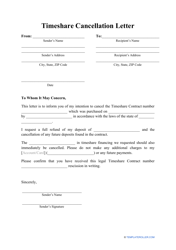
Verify that there are terms, in the contract, relating to the maintenance of the property. Make sure that cancellation rights and the cooling-off period are described in the contract prior to you sign. This duration permits you time to cancel the agreement if you change your mind for any factor. Constantly check out the small print. Inspect that there are no blank spaces in the legal files before you sign. Never ever sign a contract prior to you have actually seen the property and are pleased it exists and fulfills your requirements. Many timeshare deals are legitimate, but some vendors utilize high-pressure selling methods. Be cautious of sales pitches that offer huge rewards such as complimentary getaways, cash and brand-new cars and trucks simply for attending a timeshare seminar.
Resist hard-sell tactics that use a discount for buying in immediately. Always take information with you and consider it. Numerous aspects will affect the resale worth of your timeshare, consisting of area, resort quality, versatility of usage, season, demand and rate. Here are some pointers: Think about listing your timeshare a month or 2 prior to trip season to draw in buyers. Price your timeshare competitively. Put in the time to compare prices with other comparable timeshare units. You can try to sell your timeshare on your own or get the help of a property broker or resell business (what does a foreclosure cover on a timeshare). If you utilize a broker or resale business, they will charge a commission or costs.
What Does A Timeshare Compliance Manager Get Paid? - Truths
What's the distinction in between fractional ownership and timeshare? Even skilled financiers are sometimes confused about the distinctions between these 2 types of property holdings. Gradually, the lines have blurred; but for the sake of security and fulfillment, it is essential to understand how they vary. You might discover yourself with something that does not meet your individual or financial needs if you have mistaken beliefs or unrealistic expectations about either one. Fractional ownership is partial ownership or "co-ownership" in home and land. A group of financiers each own a fraction or share of the property. The portion of ownership depends timeshare jobs near me on the number of individuals purchase into it.
If 6 individuals purchase in, they each own 1/6th of the home, and so on. The higher the fraction of ownership, the more time you have to access the home for your use. The majority of fractional ownership terms restrict the number of owners to keep it attracting each owner. With fractional ownership, you and the other co-owners own the building( s), the land and the contents of the buildings (furniture, home appliances, and so on) Consider it as a routine house. If you own a house with another member of the family on the deed, each person technically has a 50% stake in the ownership of the structure, the land, and all the contents.